

Service for
Do you place electrical or electronic equipment on the market?
We would be happy to advise you on your obligations and take care of everything necessary for you.
We take care of everything and are there for you!
The law is primarily aimed at manufacturers, importers and distributors of electrical equipment, but also at consumers, who are obliged to separate waste and dispose of it properly. The foundation responsible for implementation is the stiftung elektro-altgeräte-register (stiftung ear).
WEEE
WEEE
It provides comprehensive regulation of electrical and electronic equipment, covering everything from placing it on the market to take-back and environmentally sound disposal. Its purpose is to encourage the reuse and recycling of waste equipment, thereby improving the use of resources.
WEEE
WEEE
ElektroG4 (2026): The amendment is scheduled to come into force as early as January 2026. One significant change (innovation) is expected to be the obligation for retailers to take back so-called e-cigarettes.
Service for
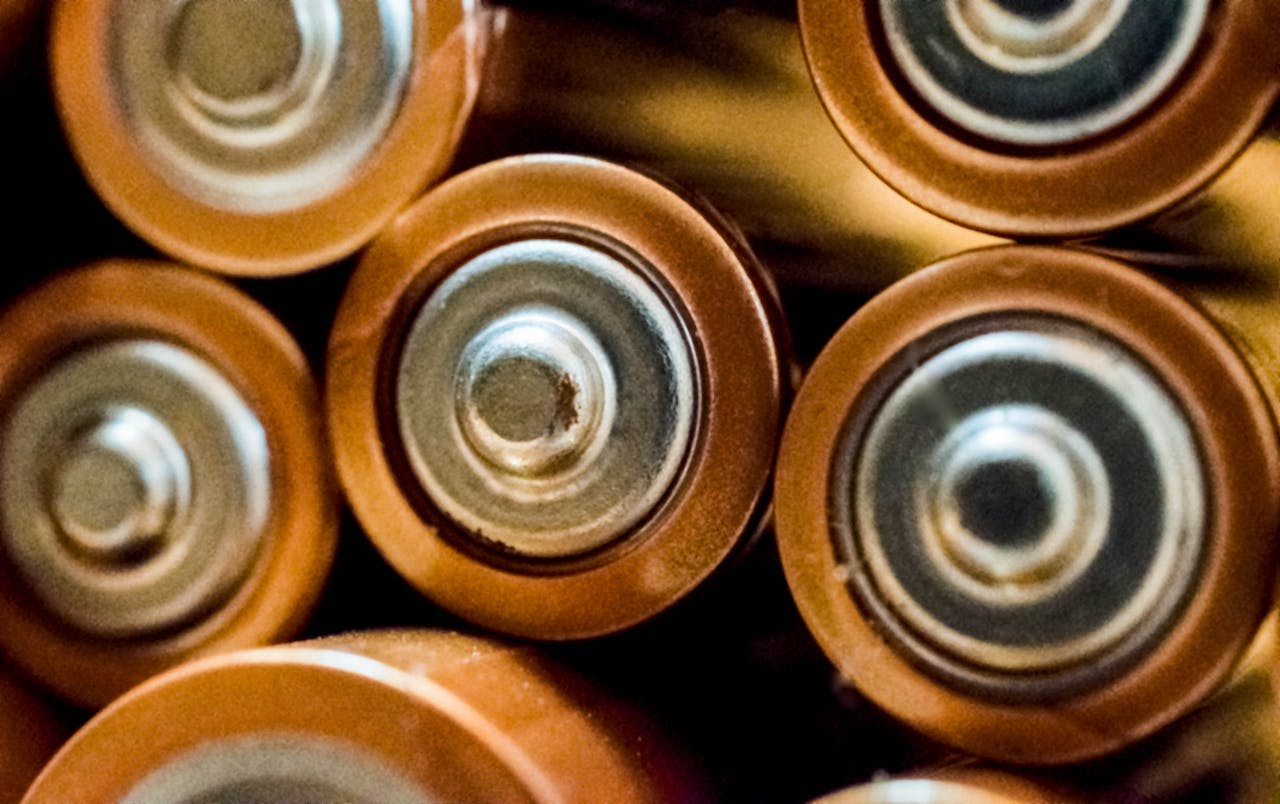
Do you place batteries or products with batteries on the market?
We would be happy to advise you on your obligations and take care of everything necessary for you.
We take care of everything and are there for you!
The Act is primarily aimed at manufacturers, importers and distributors of batteries and accumulators, but also at consumers, who are obliged to collect them separately and dispose of them properly. The stiftung elektro-altgeräte-register (stiftung ear) is responsible for its implementation.
It provides comprehensive regulation of the handling of batteries and accumulators, covering everything from placing them on the market and taking them back to ensuring they are disposed of in an environmentally sound manner. Its purpose is to encourage the reuse and recycling of waste batteries and improve resource utilisation.
First introduced in 2009, the Act has undergone several revisions since then
2015: First amendment to the BattG to implement Directive 2013/56/EU. One of the aims was to improve take-back and disposal.
2021: BattG2 – Comprehensive amendment to the law. Important changes:
06.10.2025: BattDG – The Battery Implementation Act (BattDG) comes into force and replaces the Battery Act (BattG).
The new EU Battery Regulation has been in force since August 2024 and replaced the previous directive on 18 August 2025. Unlike a directive, a regulation is immediately and directly applicable.
Obligation to participate in a producer responsibility organization (PRO) for each of the new five battery categories
Service for
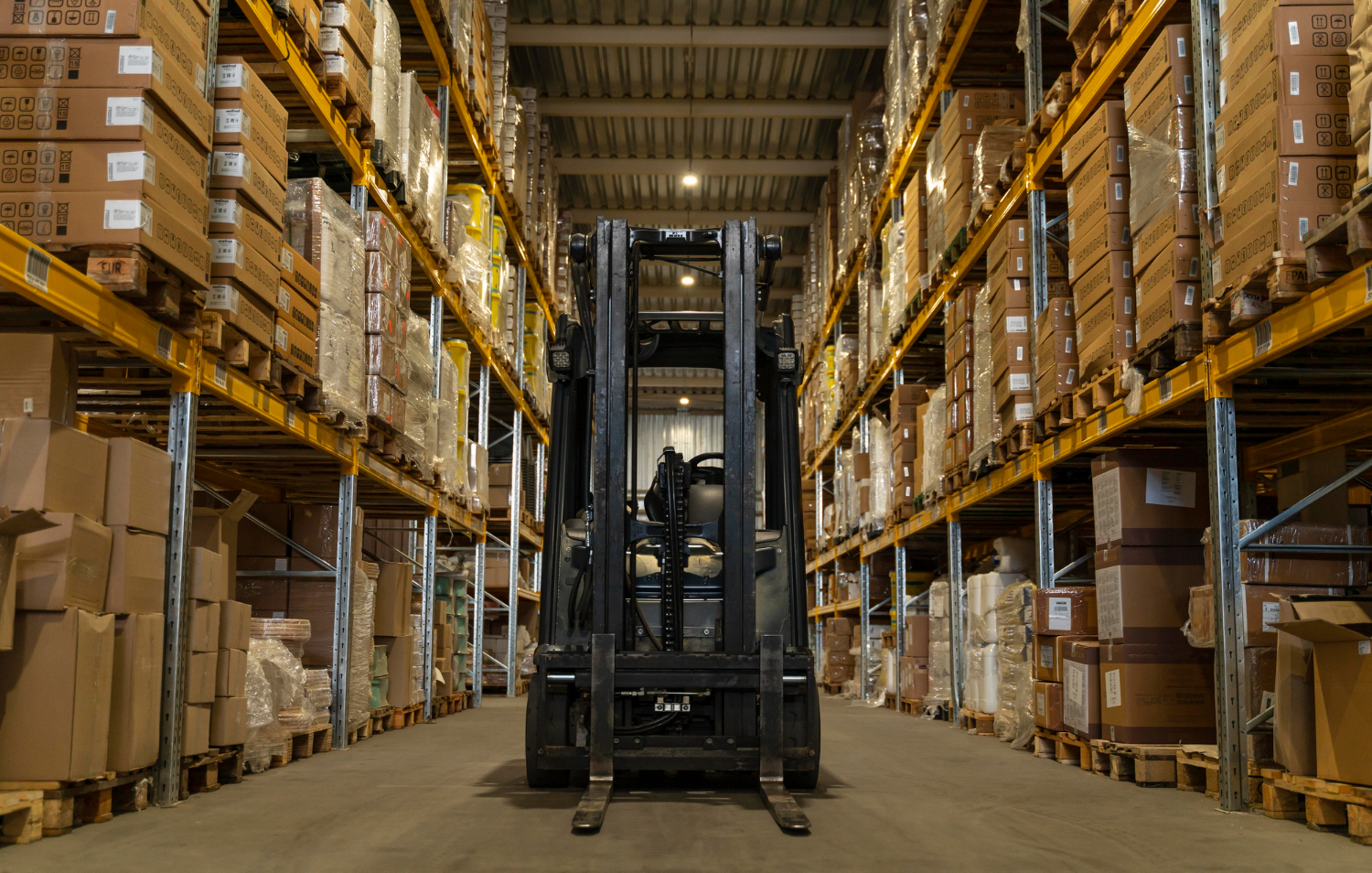
Do you put packaged products on the market? We would be happy to advise you on your obligations and take care of everything necessary for you.
We take care of everything and are there for you!
packaging
packaging
The Packaging Act is primarily aimed at manufacturers, importers and distributors of packaged products, but also at consumers who are required to collect and dispose of them separately. The Central Packaging Register Office (ZSVR) with its LUCID platform is responsible for implementation.
packaging
If you sell packaged goods in Germany, you must register yourself via the LUCID platform. Even for companies not based in Germany, no third party may register for you. You can start your registration directly using the link below:
Home Central Office Packaging Register (ZSVR)
We are happy to assist, simply contact us.
packaging
On June 12, 1991 The Packaging Ordinance (VerpackV) came into force in Germany. For implementation, the “Dual System Germany” (DSD) founded — known for the “Green Dot”. It was the first comprehensive take-back system for sales packaging in Germany.
In subsequent years, the Packaging Ordinance was amended several times (1990s-2010s):
Challenges:
Am January 1, 2019, the VerpackG came into force and replaced the Packaging Ordinance.
What's new:
From July 1, 2022, amendment: All packaging, including packaging that is only delivered to final consumers (e.g. in the case of e-commerce), must be registered.
Clearer labeling requirements for packaging will follow.
Online platforms must prove that retailers are correctly registered on the platforms and have joined a dual system.
On August 12, 2026 If the PPWR (EU Packaging Ordinance) comes into force in Europe, this will lead to an amendment to the German Packaging Act.
Measures will gradually come into force until 2030.
Objectives of the PPWR:
Reduce packaging waste — both in absolute terms and per capita
Strengthen reusability and recyclability
Making packaging more sustainable overall
Preventing greenwashing — clear labeling and material rules
Harmonize the internal market — same rules for all EU states
Asekol DE supports companies that market electrical and electronic devices, batteries and packaging in Germany and other countries. Get to know us! We're here for you!

.svg)
Authorized signatory
As authorized signatory, Michaela Lepke is responsible for the business development of Asekol DE. She has more than 10 years of experience in EPR compliance in Europe. Her particular expertise lies in advising companies in the solar industry and managing key accounts. Partnerships and collaborations are her passion. Her motto:
It's all about people!

Senior Consulting and Sales Manager
Dr. Andreas Mühlhausen as your first contact for questions relating to European EPR compliance has more than 8 years of consulting expertise. In addition to his extensive expertise, he has the ability to explain complex topics in a clear and understandable way. He shares his knowledge with passion and places great value on honesty and integrity.

Head of Back Office
As a lawyer (PL), Monika Galiszewska has a clear view of the issue of compliance. After completing her legal training in Poland, she gained experience at renowned law firms in Wroclaw and Hamburg. For the past three years, she has been focusing on EPR and is happy to advise our Polish customers in their own language. She is also your contact for quantity reporting and registration.


%201.svg)
%201.svg)
%201.svg)

